
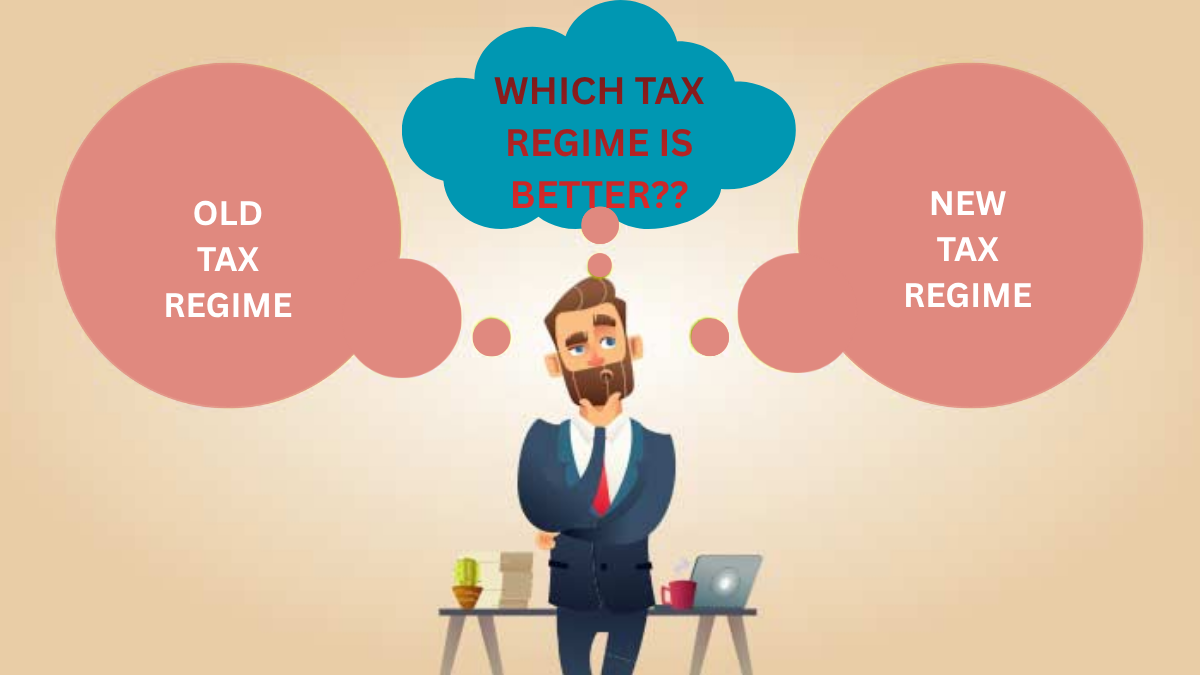
One of the most common tax questions among salaried employees and taxpayers today is:
Should I choose the Old Tax Regime with Section 80C deductions or switch to the New Tax Regime?
The answer depends on your income, investments, and financial goals.
While the New Tax Regime offers lower tax rates and simpler filing, the Old Tax Regime still allows several valuable deductions that can significantly reduce taxable income.
Let’s compare both options and understand when each regime makes sense.
What Is Section 80C?
Section 80C of the Income Tax Act allows eligible taxpayers to claim deductions of up to ₹1.5 lakh per financial year through specified investments and expenses.
Popular Section 80C options include:
- Public Provident Fund (PPF)
- Employee Provident Fund (EPF)
- Equity Linked Savings Scheme (ELSS)
- Tax-Saving Fixed Deposits
- National Savings Certificate (NSC)
- Life Insurance Premiums
- Children’s Tuition Fees
- Principal Repayment of Home Loan
These deductions are available only under the Old Tax Regime.
What Is the New Tax Regime?
The New Tax Regime was introduced to simplify taxation by offering lower tax rates while removing most deductions and exemptions.
Under the New Regime:
✔ Lower tax rates
✔ Simpler tax filing
✔ No requirement to invest solely for tax savings
However:
❌ Most deductions including Section 80C are not available.
This means taxpayers must decide whether their deductions are valuable enough to justify remaining under the Old Regime. Taxpayers can verify the latest tax provisions on the official Income Tax Department website.
Key Difference: Deductions vs Lower Tax Rates
Old Tax Regime
- Higher tax rates
- Allows deductions
- Suitable for active tax planning
New Tax Regime
- Lower tax rates
- Fewer deductions
- Simpler compliance
The choice depends largely on how much you claim through deductions.
Common Section 80C Investments
Many taxpayers already invest under Section 80C without realizing it.
Examples include:
| Investment | Eligible Under 80C |
|---|---|
| EPF | Yes |
| PPF | Yes |
| ELSS Funds | Yes |
| Tax Saving FD | Yes |
| NSC | Yes |
| Life Insurance Premium | Yes |
| Home Loan Principal | Yes |
If you are already making these investments, the Old Regime may still be beneficial.
Example 1: Salaried Employee With Limited Deductions
Annual Income: ₹10 lakh
Section 80C Investment: ₹20,000
No Home Loan
Minimal Tax Deductions
In this case, the New Tax Regime may often result in lower tax liability because the taxpayer is not using significant deductions.
Example 2: Salaried Employee Maximizing Deductions
Annual Income: ₹12 lakh
Section 80C: ₹1.5 lakh
Home Loan Benefits
Health Insurance Deductions
Additional Eligible Exemptions
In this scenario, the Old Tax Regime may provide greater tax savings because taxable income is reduced substantially.
When the Old Tax Regime Makes Sense
Consider the Old Regime if you:
- Fully utilize Section 80C
- Pay home loan EMIs
- Claim health insurance deductions
- Receive tax-beneficial allowances
- Prefer disciplined long-term investing
Many salaried professionals continue to benefit from these deductions.
When the New Tax Regime May Be Better
The New Regime may be suitable if you:
- Have few deductions
- Prefer simpler tax filing
- Don’t want mandatory tax-saving investments
- Are early in your career
- Have limited financial commitments
For many young professionals, the New Regime offers convenience and lower compliance requirements.
Understanding how banks, loans, and savings products work can also help optimize your finances. Visit our Banking section for more guides.
Don’t Invest Only to Save Tax
A common mistake is purchasing financial products solely to claim deductions.
Before investing under Section 80C, ask:
- Does this investment match my goals?
- Am I comfortable with the lock-in period?
- Does the return justify the investment?
Good tax planning should support overall financial goals. Check out our other Savings Tips to improve your financial health.
Which Is Better in 2026?
There is no single answer for every taxpayer.
Choose the Old Tax Regime if:
✔ You regularly claim deductions
✔ You invest under Section 80C
✔ You have a home loan
✔ Your total deductions are substantial
Choose the New Tax Regime if:
✔ You have limited deductions
✔ You prefer simplicity
✔ You don’t want tax-driven investments
✔ Lower tax rates benefit you more
The best approach is to calculate tax liability under both regimes before filing your return each year.
Final Thoughts
The debate between Section 80C and the New Tax Regime is really about one question:
Do your deductions save more tax than the lower rates offered by the New Regime?
For taxpayers with significant investments, home loans, and insurance deductions, the Old Tax Regime can still be attractive. On the other hand, individuals with few deductions often find the New Tax Regime more beneficial and easier to manage.
Before making a decision, compare both options using your actual income and deductions. A few minutes of calculation can potentially save thousands of rupees in taxes each year.