
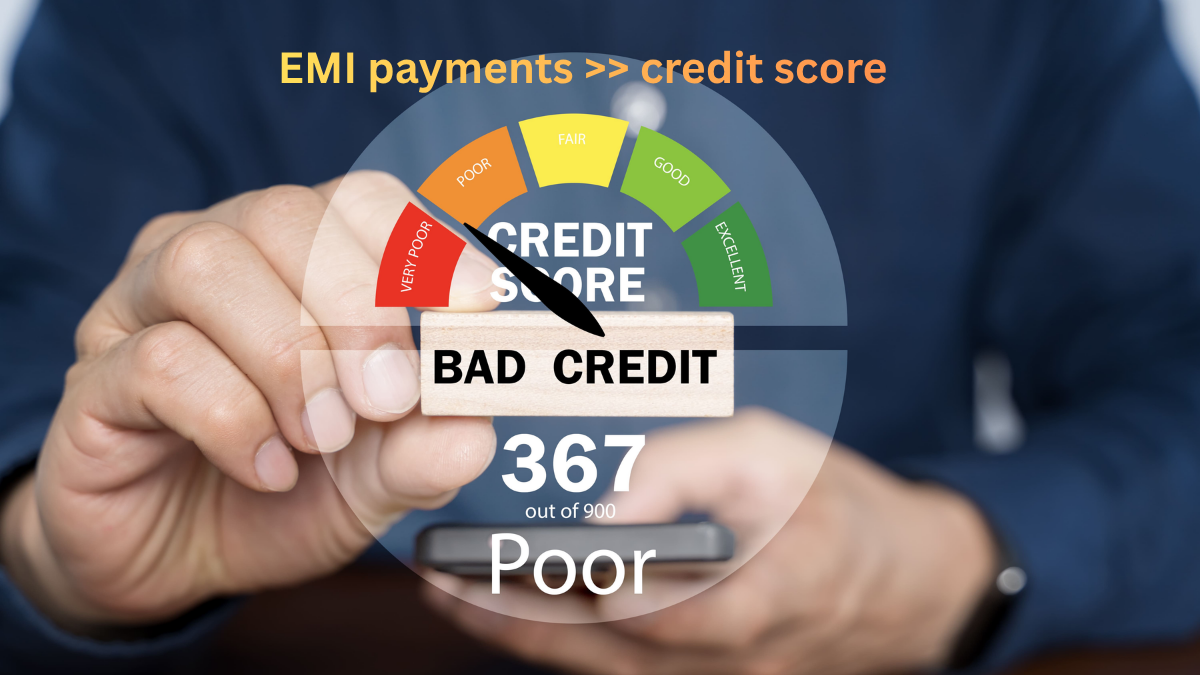
The connection between EMI payments and credit score is becoming increasingly important for people who are beginning their financial journey. Many individuals think credit scores only become useful while applying for large loans, but building healthy financial habits early can provide benefits later.
Understanding how EMI payments and credit score work together can help individuals create stronger financial records. Responsible repayment behavior often shows lenders that a borrower manages money carefully and consistently.
Whether someone is purchasing a smartphone, electronics, or using other financing options, payment habits can gradually contribute to financial credibility.
1. Timely EMI Payments Build Financial Trust
One of the most important factors affecting EMI payments and credit score is payment timing.
Paying installments on schedule may help create:
- stronger repayment records
- positive financial behavior
- better payment history
- improved credibility
Consistency matters because financial institutions often review previous repayment activity.
2. Small EMIs Can Also Make a Difference
Many people believe only large loans contribute to credit history.
However, smaller financing options may also support financial records.
Examples include:
- mobile phone financing
- electronic products
- educational devices
- household appliances
The repayment pattern often matters more than the amount itself.
3. Missed Payments Can Affect Credit Health
Delayed payments can create difficulties over time.
Common reasons include:
- forgetting due dates
- unexpected expenses
- poor budgeting
- insufficient account balance
Even small delays repeated frequently can influence financial records.
Setting automatic reminders may help avoid missed payments.
4. Payment Discipline Creates Better Habits
Responsible repayment is not only about monthly installments.
Good financial habits may improve:
- budgeting
- spending control
- money management
- financial awareness
People who manage repayments carefully often develop stronger financial discipline.
5. Credit History Grows Gradually
Building financial credibility usually does not happen immediately.
Credit history generally develops over time through:
- repayment behavior
- loan activity
- financial consistency
- responsible borrowing
Small actions repeated every month can contribute to stronger financial records.
6. Avoid Taking Unnecessary Debt
While financing products can help create records, borrowing excessively can create problems.
Before choosing financing options, ask:
- Is the purchase necessary?
- Can the monthly amount be managed comfortably?
- Will it affect existing expenses?
Maintaining balance is important for long-term financial stability.
7. Strong Credit Profiles Can Support Future Goals
A healthier financial profile may become useful for:
- personal loans
- vehicle financing
- home loans
- financial applications
- future borrowing needs
Responsible repayment habits today may help create opportunities later.
You can also learn more about credit awareness from the official CIBIL website
You may also like: Income Tax Return Guide 2026: Simple Steps to File ITR Correctly (insert your internal link here)
Understanding the relationship between EMI payments and credit score can help people make informed financial decisions. Building a strong financial profile usually takes time, but consistent repayment habits and responsible money management can create meaningful long-term benefits.
Small financial actions today can support larger opportunities in the future.