
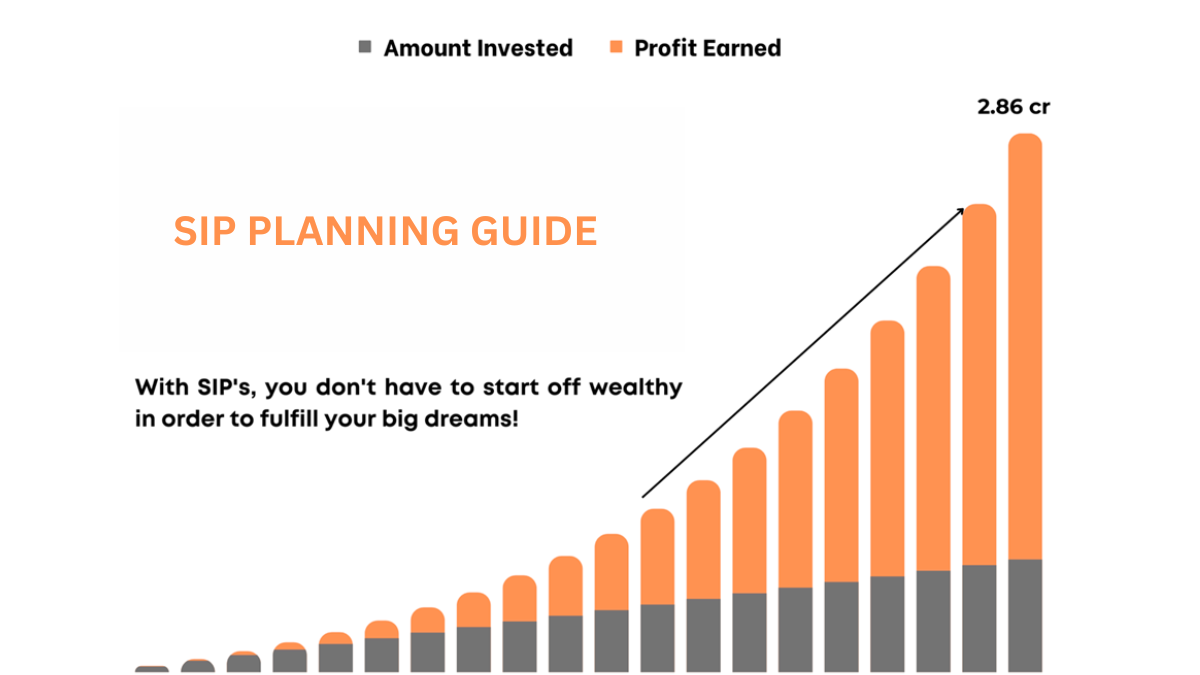
Systematic Investment Plans (SIPs) continue to be one of the most popular investment methods for beginners and long-term investors in 2026. Many people invest regularly but often do not estimate how much their money could potentially grow over time. A proper SIP planning guide can help investors understand future investment goals and make more informed decisions.
While several online calculators are available, many investors also prefer Excel because it allows more flexibility and customization. Excel can help users estimate monthly contributions, expected returns, and future investment values using simple formulas.
Understanding a practical SIP planning guide can help investors organize financial goals and create a better long-term strategy.
✅ Why SIP Planning Is Important
Many people start investing without defining a clear target.
SIP planning helps investors:
- estimate future wealth goals
- understand monthly investment needs
- track progress
- maintain consistency
- improve financial discipline
Planning investments before starting often creates better long-term outcomes.
✅ What Information Is Needed for SIP Planning?
Before calculating SIP growth, investors generally need basic information.
Examples include:
- monthly investment amount
- expected annual return
- investment duration
- financial goal amount
For example:
Monthly SIP: ₹5000
Expected annual return: 12%
Investment duration: 10 years
These inputs help estimate potential future value.
✅ Benefits of Using Excel for SIP Planning
Many investors prefer Excel because it offers flexibility.
Benefits include:
- customizable calculations
- simple modifications
- goal tracking
- investment comparison
- easy data organization
Excel also allows investors to create personalized financial planning sheets.
✅ Track Investment Growth More Clearly
Investment growth becomes easier to understand when information is organized visually.
Users can create:
- monthly investment tables
- yearly progress sheets
- return comparisons
- goal tracking charts
Visual tracking often makes financial planning easier.
✅ Set Realistic Financial Goals
One important part of a SIP planning guide is setting achievable targets.
Examples:
- retirement planning
- emergency funds
- home purchase goals
- education planning
- wealth creation
Clear financial goals improve investment discipline.
✅ Review SIP Progress Regularly
Investment planning should not be treated as a one-time activity.
Review regularly:
✔️ contribution amount
✔️ expected returns
✔️ investment duration
✔️ financial goals
Income and financial priorities can change over time.
Regular reviews help maintain better investment strategies.
✅ Avoid Common SIP Planning Mistakes
New investors often make avoidable mistakes such as:
- expecting unrealistic returns
- stopping investments too early
- investing without goals
- ignoring portfolio reviews
Patience and consistency usually play an important role in long-term investing.
You can learn more about investor education and mutual fund awareness through the official SEBI website.
💡 Final Thoughts
A proper SIP planning guide can help investors understand their financial goals and estimate future investment growth more effectively. Whether using Excel or other tools, planning investments before starting often improves decision-making.
Consistent investing, realistic expectations, and regular reviews can help create stronger long-term financial habits.